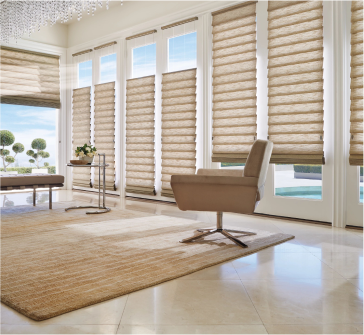
I am often asked by my clients which is better. Today, we are settling the debate.
I know that choosing the right window treatment for your home can sometimes feel like navigating a maze. You want privacy, but you also crave natural light. You need durability, but you don’t want to sacrifice style.
If you’ve narrowed your search down to roller versus roman shades, you are already on the right track. Both options offer incredible versatility and function, yet they bring very different vibes to a room.
Whether you are looking for a sleek, modern look or a soft touch of sophistication, understanding the nuances between these two popular window coverings is key to making a decision you’ll love for years to come.
Let’s explore the unique characteristics of each to help you decide which is the true winner for your space.
What Are Roller Shades?
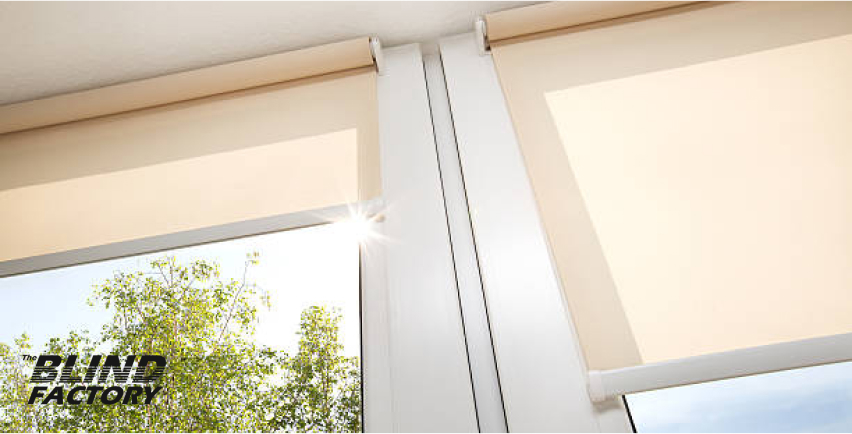
In a nutshell, roller shades are the definition of modern minimalism. A roller shade consists of a single piece of fabric that wraps neatly around a casing or tube at the top of your window frame. When you raise the shade, the fabric vanishes into a neat roll, giving you an unobstructed view of the outdoors.
Because they lie flat against the window when lowered, they are incredibly low-profile. They don’t demand attention, which makes them perfect for homeowners who want their furniture or artwork to take center stage.
While they are simple in design, they are far from boring. With hundreds of fabric options, ranging from sheer solar screens to heavy-duty textures, roller shades can be customized to vanish into the background or pop with a bold print.
What Are Roman Shades?
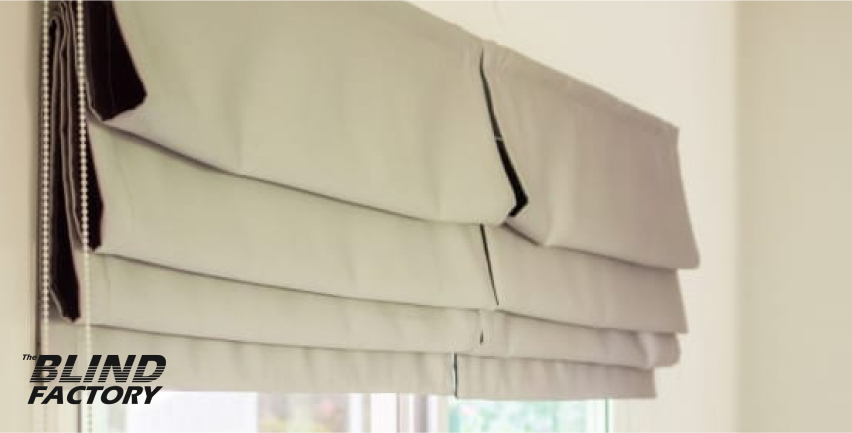
If roller shades are the modern minimalist, roman shades are the classic romantic. These are soft fabric window treatments that hang flat when they are fully lowered but stack up evenly in horizontal folds when raised. This cascading effect creates a sense of depth and luxury that adds immediate warmth to a room.
Unlike the utilitarian nature of a roller mechanism, a roman shade is essentially a decorative piece of fabric that functions as a blind. They are often lined, which gives them a substantial, drapery-like feel. They bridge the gap between curtains and shades, offering the aesthetic appeal of soft drapery with the functionality of a shade. Whether you prefer a flat fold for a cleaner look or a looped style for a more dramatic, billowy effect, roman shades add architectural interest to any window.
Comparing Roller & Roman Shades, at a Glance
To make this decision easier, here is a quick comparison of how these two heavyweights stack up against one another.
| Feature | Roller Shades | Roman Shades |
|---|---|---|
| Primary Aesthetic | Minimalist, clean, modern | Classic, soft, decorative |
| Stacking | Rolls tightly (minimal view obstruction) | Stacks in folds (covers the top of the window) |
| Cleaning | Easy to wipe down | Requires vacuuming or professional cleaning |
| Insulation | Low to Moderate | Moderate to High (depending on lining) |
| Cost | Generally more budget-friendly | Typically a higher investment |
Pros & Cons of Each Shade
Both shades are excellent choices, but they excel in different areas. Here is a breakdown of the pros and cons to help you weigh your specific needs regarding light control and lifestyle.
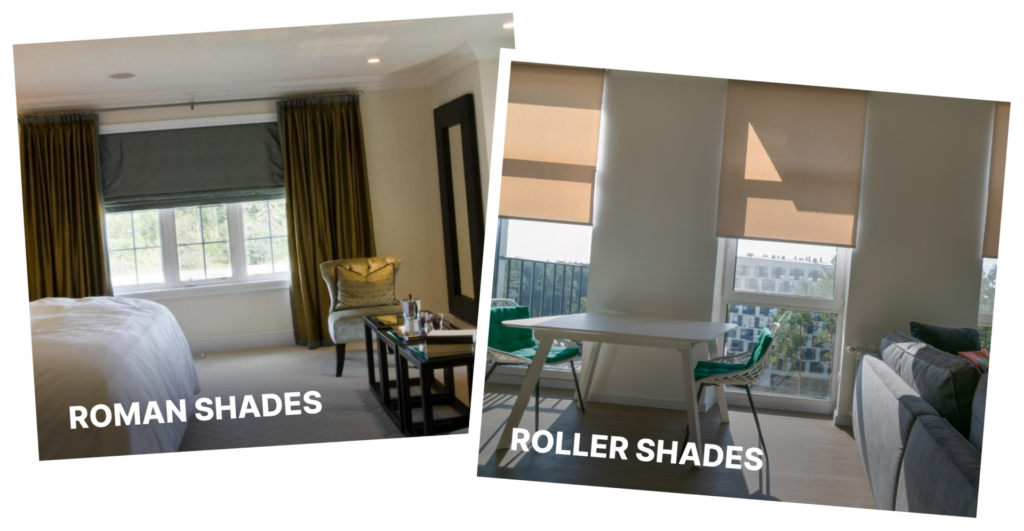
Roller Shades
- Pros: They are incredibly easy to operate and clean. The streamlined design maximizes your view when the shade is raised. They fit easily behind drapery if you want a layered look.
- Cons: They offer less insulation than fabric-heavy shades. Some light gaps can occur on the sides unless side channels are installed. The look can sometimes feel too “industrial” for traditional homes.
Roman Shades
- Pros: They provide superior energy efficiency due to heavier fabrics and lining options. They add instant character and a finished look to a room without needing extra curtains.
- Cons: When raised, the stack of fabric covers a portion of the window, reducing natural light. They attract more dust and are harder to clean than vinyl roller shades. They are generally more expensive due to the craftsmanship involved.
Related Article: Types of Shades: Your Complete Guide to Finding the Perfect Window Coverings
How to Pick the Best Shade for Specific Rooms
When deciding between roller vs roman shades, consider the room’s function.
For the Bedroom
If you are a light sleeper, you need darkness. Both styles offer blackout fabrics, but the installation matters. A roman shade with a blackout lining is excellent at absorbing sound and blocking light, creating a cozy cocoon. However, a roller shade installed with side channels can create a near-total blackout effect, which is often preferred for nurseries or media rooms.
For the Kitchen
Kitchens are high-traffic, messy zones. A roller shade made from moisture-resistant vinyl or performance fabric is the clear winner here. If spaghetti sauce splashes on a roller shade, you can wipe it off. If it splashes on a silk roman shade, you have a permanent stain.
For the Living Room
This is where you host and relax. If your living room tends to be chilly, the heavy layers of roman shades can help insulate the windows, trapping heat and lowering energy bills. They also serve as a stunning focal point. However, if you have a massive picture window with a stunning view, a roller shade disappears completely, ensuring nothing blocks your sightline.
Style Scenarios for Your Home
The “right” choice often comes down to your interior design style. Here is how to match the shade to your vibe.
The “Less is More” Aesthetic
If your home features Scandinavian design, mid-century modern furniture, or industrial lofts, the roller shade is your best friend. Its lack of excess fabric complements clean lines. A charcoal or white roller shade creates a crisp boundary that feels intentional and sharp.
The “Cozy and Curated” Aesthetic
If you love farmhouse chic, traditional elegance, or transitional design, the roller shade might feel too cold. Roman shades bring softness. Imagine a linen roman shade in a soft oatmeal color; it adds texture and makes the room feel “dressed.” It provides that finished, high-end look that elevates the entire space.
How to Clean & Maintain Each
You want your window treatment to look just as good three years from now as it does on installation day. Keeping it in pristine condition ensures it continues to add value and style to your home.
How to Clean Your Roller Shades
Roller shades are widely considered the low-maintenance champions. Since they consist of a flat, single piece of fabric, they are durable and stand up well to frequent use without trapping excessive dust.
1. Dust Regularly
Use a feather duster or a microfiber cloth to gently wipe the shade from top to bottom.
2. Spot Clean
For vinyl or performance fabrics, dampen a soft sponge with warm water and mild soap. Gently blot the stain—do not scrub harshly.
3. Dry Completely
Leave the shade lowered until it is completely dry before rolling it back up to prevent mold or mildew.
How to Clean Your Roman Shades
Because roman shades rely on soft folds of material, dust loves to settle in the creases. While they add a sophisticated touch, they do require a bit more attention than roller shades to keep them looking fresh.
1. Vacuum the Folds
Use the upholstery attachment on your vacuum cleaner on a low suction setting. Gently run it over the fabric, paying special attention to the horizontal folds where dust gathers.
2. Check the Fabric
Specific fabric options like silk or linen are sensitive to water. If you spot a stain on these materials, do not use water, as it can leave a ring.
3. Professional Cleaning
For deep cleaning or delicate fabrics, I recommend scheduling a professional cleaning service to ensure the fabric does not shrink or warp.
Common Questions, Answered
So, which is better, Roman blinds or roller blinds?
Neither is objectively “better,” as it depends entirely on your needs. If you prioritize easy maintenance and a minimalist aesthetic, roller blinds are the winner. However, if you want a decorative window treatment that adds insulation and a luxury feel, Roman blinds are the superior choice.
Are Roman shades in style in 2026?
Absolutely! In 2026, interior design is shifting toward “soft minimalism” and texture. Roman shades fit this perfectly by adding warmth and architectural interest to a room without the visual clutter of heavy drapes, keeping them firmly in style.
Should shades be lighter or darker than a sofa?
There is no strict rule, but contrast often works best. If you have a dark sofa, a lighter shade can keep the room feeling airy. Conversely, if your furniture is neutral, a darker shade adds a sophisticated anchor. Many designers currently prefer matching the shade to the wall color rather than the sofa for a seamless look.
What is the current shade trend in 2026?
The biggest trends this year are sustainability and automation. I am seeing a huge demand for natural light control through motorized shades that integrate with smart home systems, as well as organic textures like bamboo and linen that prioritize energy efficiency and eco-friendly design.
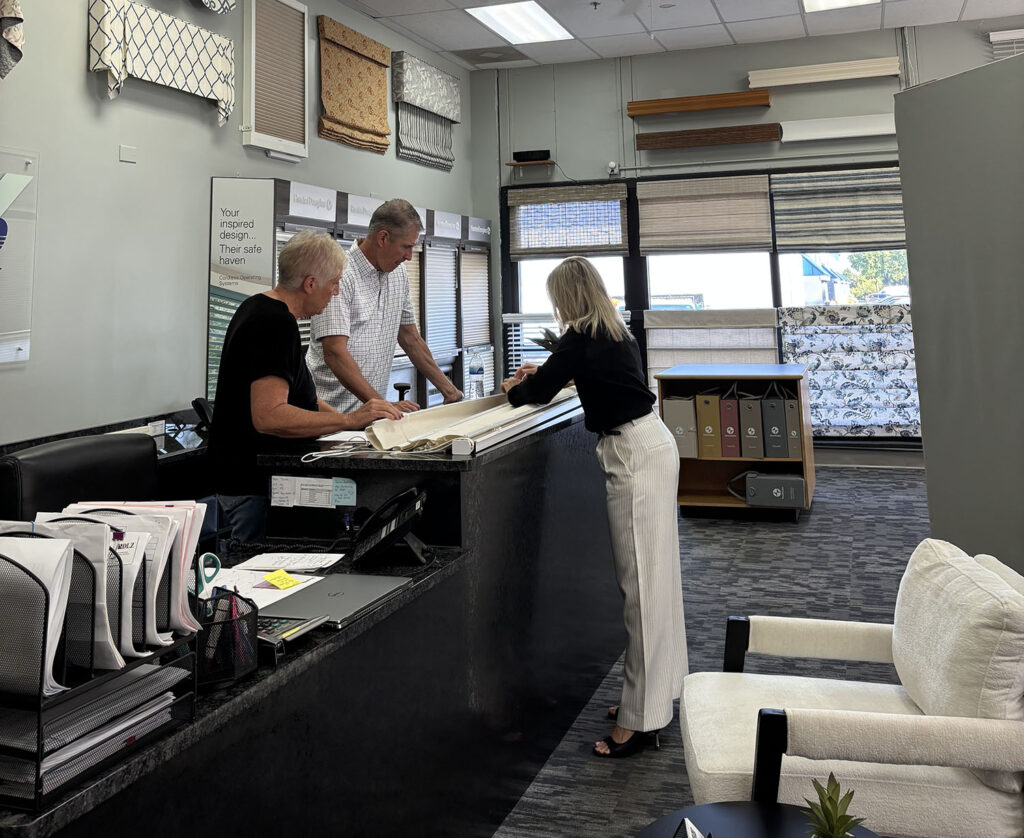
Explore Both Shade Options at Our Showroom
Now that you understand the distinct differences between roller and Roman Shades, you are ready to explore these options in greater depth. I invite you to visit The Blind Factory, where you can interact with our displays and test out features like cordless lifts and smart motorization firsthand. Take your time browsing the different styles and fabric options to see exactly which look best suits your home’s aesthetic appeal. If you have any questions along the way, our expert design consultants are ready to help you find the perfect solution for your space.