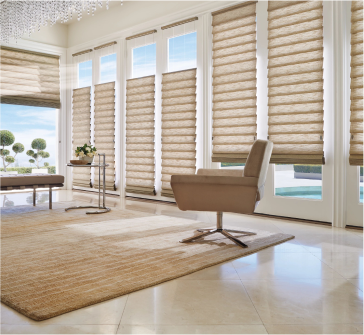
Blinds are often overlooked when upgrading a home for sale. Yet they play a key role in presentation, comfort, and long-term energy savings. Potential buyers notice quality window treatments right away. Well-chosen blinds complement your home’s design, improve natural light, and contribute to energy efficiency.
If you’re thinking about making cost-effective updates that can influence a home’s marketability, blinds deserve your attention.
How Blinds Increase Home Value
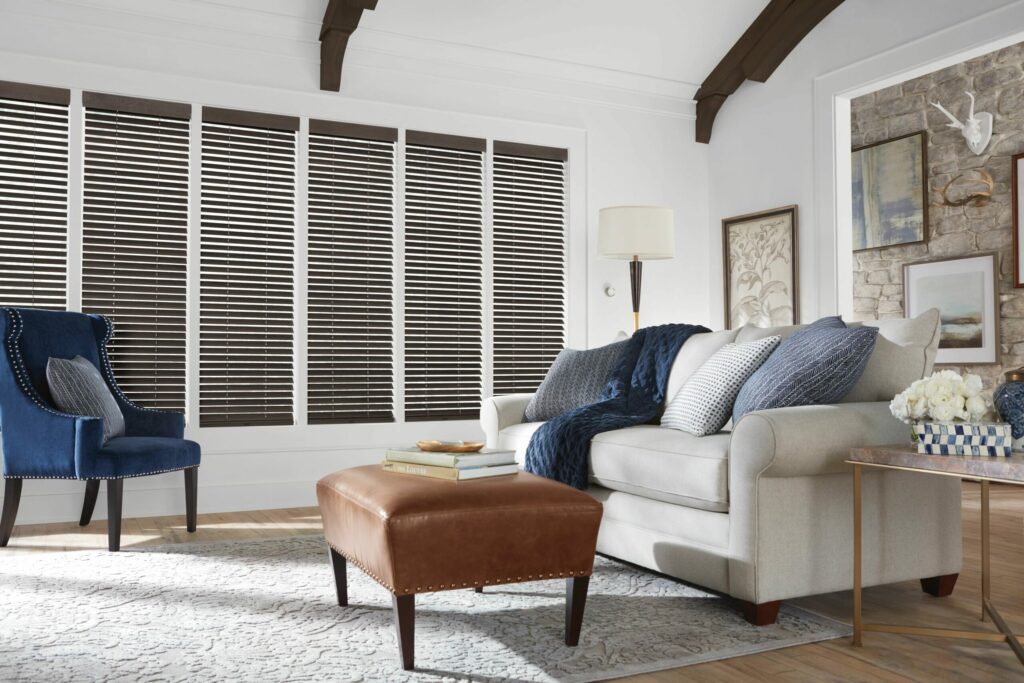
Blinds impact both the function and appearance of a home, ultimately making them an important part of a property’s presentation. Updating—or installing—quality window treatments can improve your home’s appeal in multiple ways:
- First impression: Buyers often notice the windows right away. Clean, modern blinds help create a polished look and signal a well-maintained home.
- Energy efficiency: Certain blinds, like cellular shades, add insulation. They help moderate indoor temperatures, reducing strain on heating and cooling systems.
- Light control: Proper blinds allow you to manage brightness without losing natural light. Buyers value light-filled homes, but also want options for privacy and shade.
- Interior design: Coordinated blinds improve the flow of a room. They help the home feel consistent and balanced, especially when neutral tones are used throughout.
Collectively, these benefits contribute to a stronger showing and a higher perceived home value.
The Best Type of Blinds to Add Value
Not all blinds are equal in the eyes of potential buyers. Some stand out for their durability, appearance, and ability to improve a room’s function.
From our experience, these window coverings offer the best return:
- Plantation shutters: Permanently installed and visually appealing, shutters are known for boosting curb appeal and complementing many styles of interior design.
- Cellular shades: These shades trap air in their pockets, making them one of the most energy-efficient window treatments available. They offer a clean, modern look, which appeals to today’s buyers.
- Roller shades: Minimal and versatile, roller shades provide light control while offering a straightforward aesthetic. Their ability to fit into many design schemes adds to a home’s appeal.
Each of these options supports a polished look and serves a practical purpose, which adds measurable value to your home during resale.
Related Article: The Impact of Window Treatments on Home Resale Value
The Case for New Blinds Before You Sell
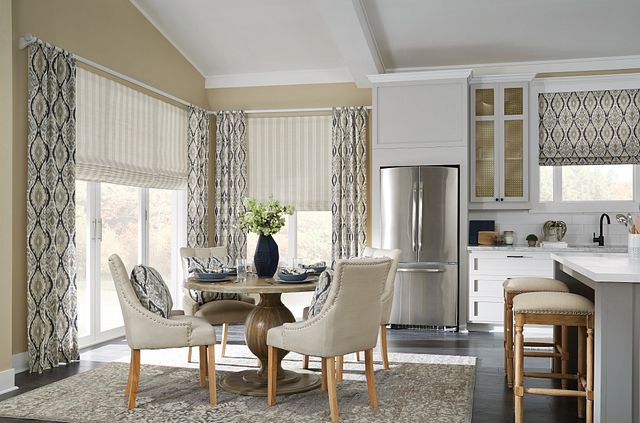
In many cases, you should. According to a 2022 study by the International Association of Home Staging Professionals, 50% of staged homes with updated window treatments sold for 6–20% more than their original listing price.
Replacing blinds before selling comes down to condition and consistency. If existing blinds are aged, uneven, or poorly installed, they can create a visual distraction. Buyers tend to notice mismatched or broken window coverings, which can suggest overall neglect—even if the rest of the home is in good shape.
Installing new, quality window coverings shows the home has been maintained. It can also bring cohesion across rooms, upgrade the space without major remodeling, and improve both photos and in-person impressions during showings.
Not All Window Coverings Add Value
Some window coverings do little or nothing to help a home sell. Others can actively reduce your home’s appeal.
Old, flimsy, or dated blinds tend to signal shortcuts or deferred maintenance. These choices can break a room’s design or make a buyer feel that more work is needed.
Examples of treatments to avoid include:
- Mini-blinds: These aren’t durable and often look inexpensive. They can warp or bend easily and do not enhance a room’s design.
- Heavy drapes: Traditional curtains can block natural light and visually shrink a space. This goes against current buyer preferences for bright, open rooms.
- Custom-patterned or brightly colored blinds: These reflect personal taste and may not appeal to a broad market. Neutral, modern choices usually work better during a sale.
If you’re making updates to sell, it’s worth replacing these with straightforward and durable alternatives.
Why Buyers Care
Modern buyers place a high value on energy efficiency. That includes insulation, appliances, and yes—window treatments. Cellular shades, in particular, are known for their structure, which helps trap air and reduce temperature loss through windows.
Plantation shutters also offer an extra barrier between the window glass and the room interior. Even roller shades, if made from thermal or UV-blocking fabrics, can limit heat gain in summer.
More efficient climate control leads to cost savings, which is a key selling point. Homes that reduce monthly expenses stand out in listings—especially to first-time buyers.
Related Article: 8 Reasons Why Custom Blinds Are Worth the Investment
Matching Blinds to Interior Design
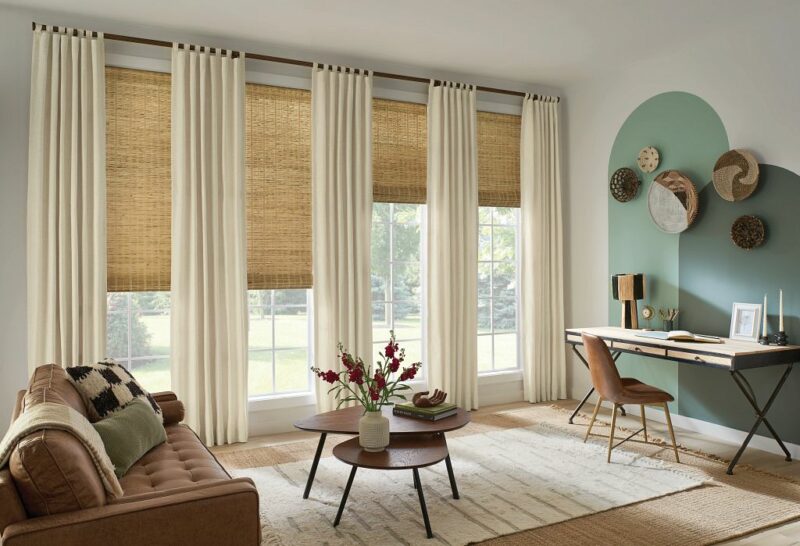
Blinds don’t need to stand out—but they should work with your overall interior style. Buyers notice when design choices feel out of place. Quality window treatments that match the room help create flow.
Neutral tones—whites, off-whites, natural greys—work in almost any home. Material matters too.
For a modern setting, roller shades in light-filtering fabrics fit well. In more traditional homes, plantation shutters may align better with baseboards, molding, and hardwood.
Avoid jumping between styles, especially in visible spaces like open floor plans. Consistency is key to keeping the interior visually balanced.
A Small Upgrade with Lasting Returns
Blinds don’t carry the same WOW factor as a kitchen remodel or new flooring. But they show up in every room. That makes them one of the most visible and impactful minor upgrades you can make.
If you’re selling:
- Replace dated blinds with consistent, neutral, and functional alternatives.
- Choose options that improve both light control and energy efficiency.
- Match treatments to your home’s interior design for a polished look.
In doing so, you’ll increase your home’s brand of care—and its market value.