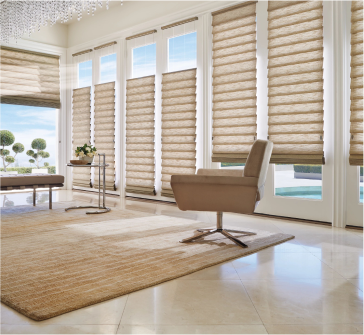
Your workspace dictates your ability to focus, so you spent time selecting a supportive chair and a spacious desk. You arranged your computer for optimal ergonomic positioning, yet many people overlook the critical factor of the office window. The sun shifts throughout the day, and while morning rays might energize you, afternoon beams often create harsh glare on your computer screen. Temperature fluctuations make concentration difficult, but the right window coverings solve these problems. They blend function with style to create a space where work happens efficiently.
This guide explores the best options for your workspace by examining light management, privacy, and insulation. You will find the information necessary to make an informed decision about home office window treatments.
Assessing Your Workspace Needs
Before you look at fabric swatches or materials, you must understand your room because every home office presents unique challenges. The direction your window faces matters. North-facing windows provide consistent, soft illumination that may only need light coverage to maintain privacy. South and west-facing windows receive strong, hot sunlight, so these rooms require robust solutions to block heat and intense rays. East-facing windows get bright morning sun, which demands protection early in the day.
You must also consider your equipment since monitors act like mirrors. If a window sits directly behind you, it reflects on your screen, and if the window is behind the monitor, the contrast between the bright outside world and your screen causes eye strain. Proper window treatments mitigate these issues.
The Priority: Managing Glare and Natural Light
Lighting affects how you work since too little light causes fatigue and too much creates visual chaos. Although natural light boosts mood and keeps you alert, direct sunlight hitting a monitor washes out the display. You must squint to see, and this leads to headaches or a drop in productivity.
You need superior light control to diffuse harsh rays while keeping the room bright enough for reading and video calls. The best treatments offer flexibility, so you should possess the ability to adjust them as the sun moves across the sky. While a dark room prevents glare, it also feels like a cave, so finding a balance is key to maintaining high energy levels throughout the workday.
Top Recommendations for the Home Office
Different blinds and shades offer distinct benefits. Understanding the different types of shades and blinds can help you choose the most effective styles for a work environment.
Roller Shades
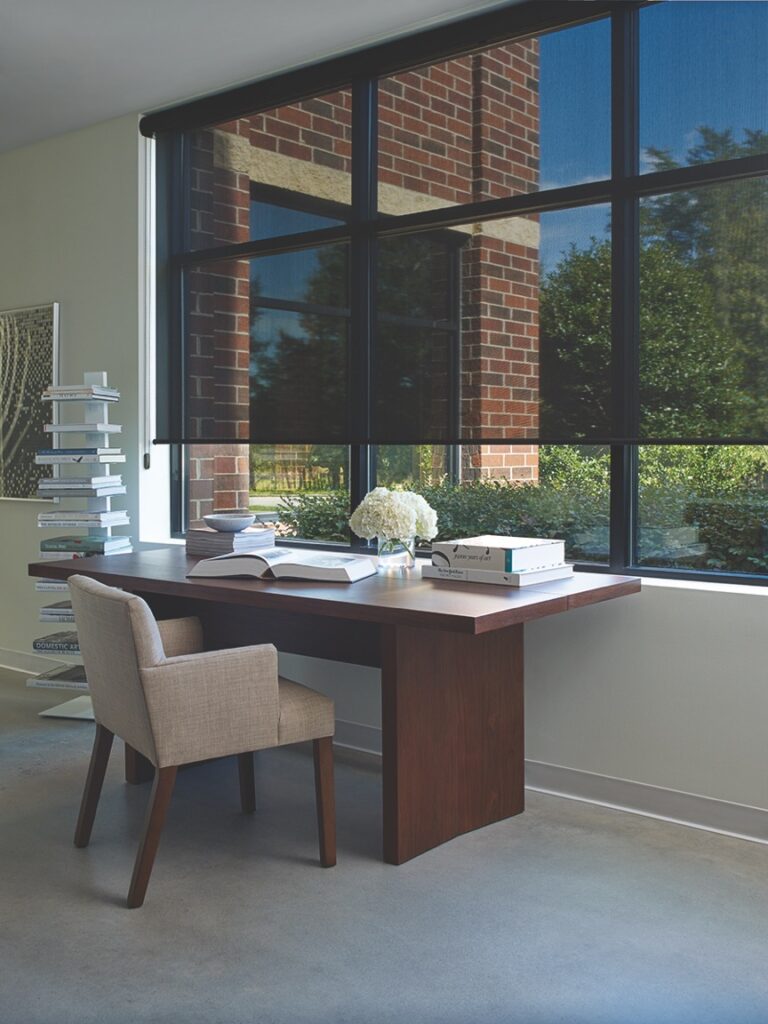
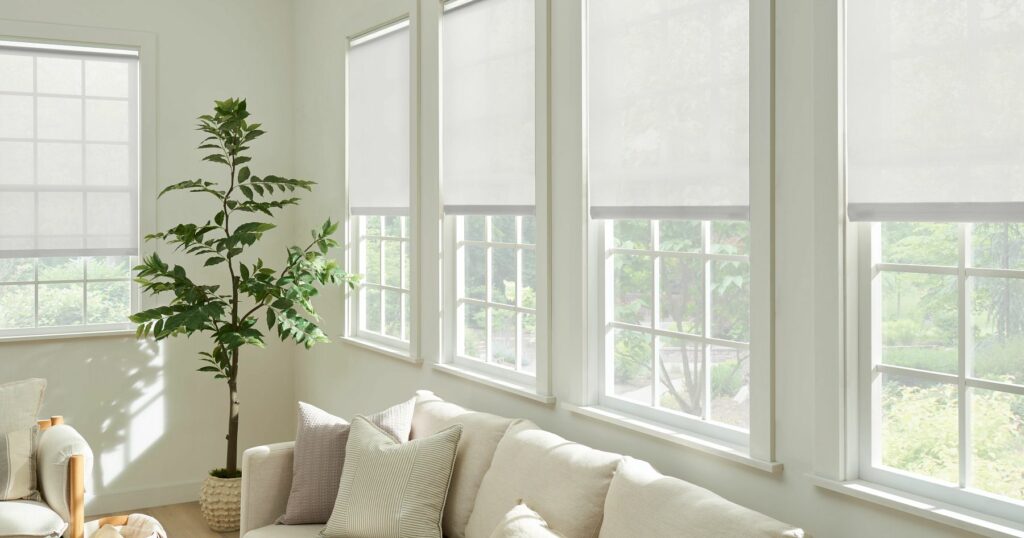
Roller shades are a standard choice for home offices for good reason. They offer a clean, modern look, and the mechanism is simple. A piece of fabric rolls around a tube at the top of the window. When you raise them, they disappear, leaving your view unobstructed.
You can choose from different opacities.
- Blackout: Blocks almost all light. This is best if your office doubles as a guest room or media room.
- Light-filtering: Allows a glow to enter but blocks direct view and UV rays.
- Solar: These are a specific type of roller. They reduce glare and heat but maintain your view of the outdoors. They come in “openness factors,” usually between 1% and 10%. A 1% shade weaves tightly and blocks more light. A 10% shade lets in more light and offers a clearer view.
For a minimalist office, roller shades work well. They do not collect much dust and are easy to clean.
Cellular Shades
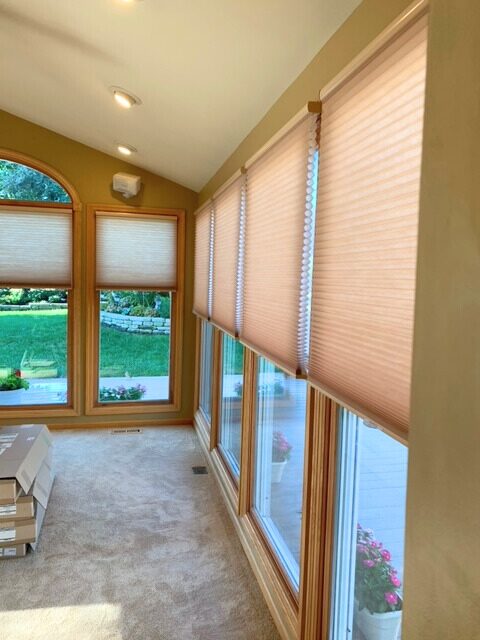
If your office feels cold in winter or hot in summer, consider cellular shades. The industry also calls these honeycomb shades because they feature a unique structure that looks like a honeycomb from the side.
This design traps air in pockets to act as an insulator. It creates a barrier between the glass and the room to boost energy efficiency. Your heater or air conditioner runs less often, so the room stays at a comfortable temperature to help you focus on tasks rather than the thermostat.
Cellular shades also dampen sound, which is a feature many people overlook. If your house has hard floors or echoes, these shades absorb noise to improve audio quality during conference calls and reduce distraction from the rest of the home.
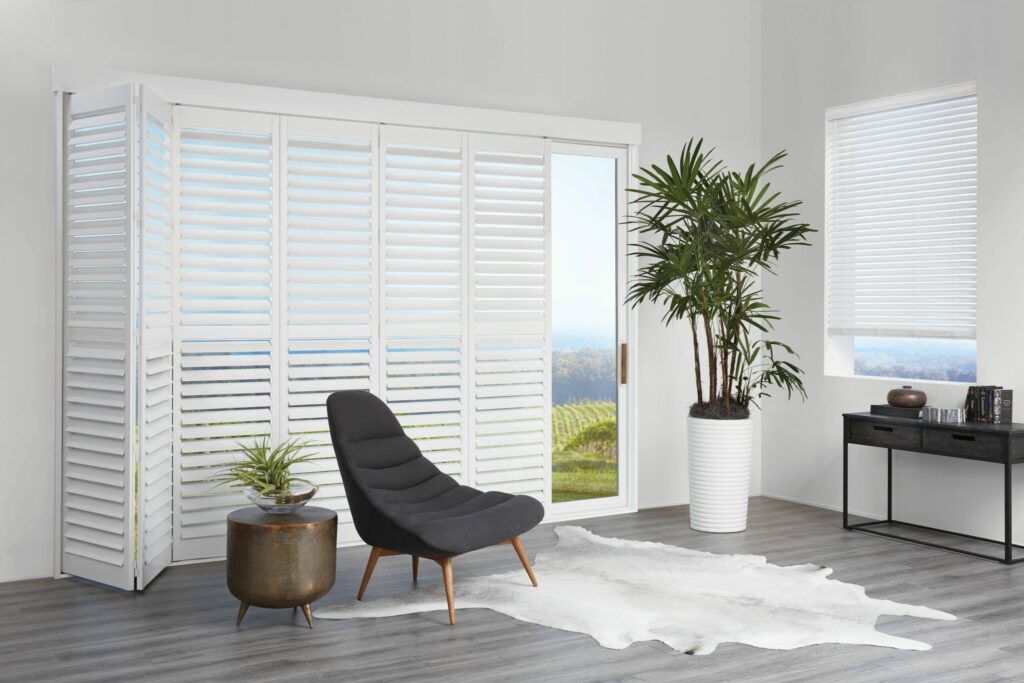
Interior Shutters
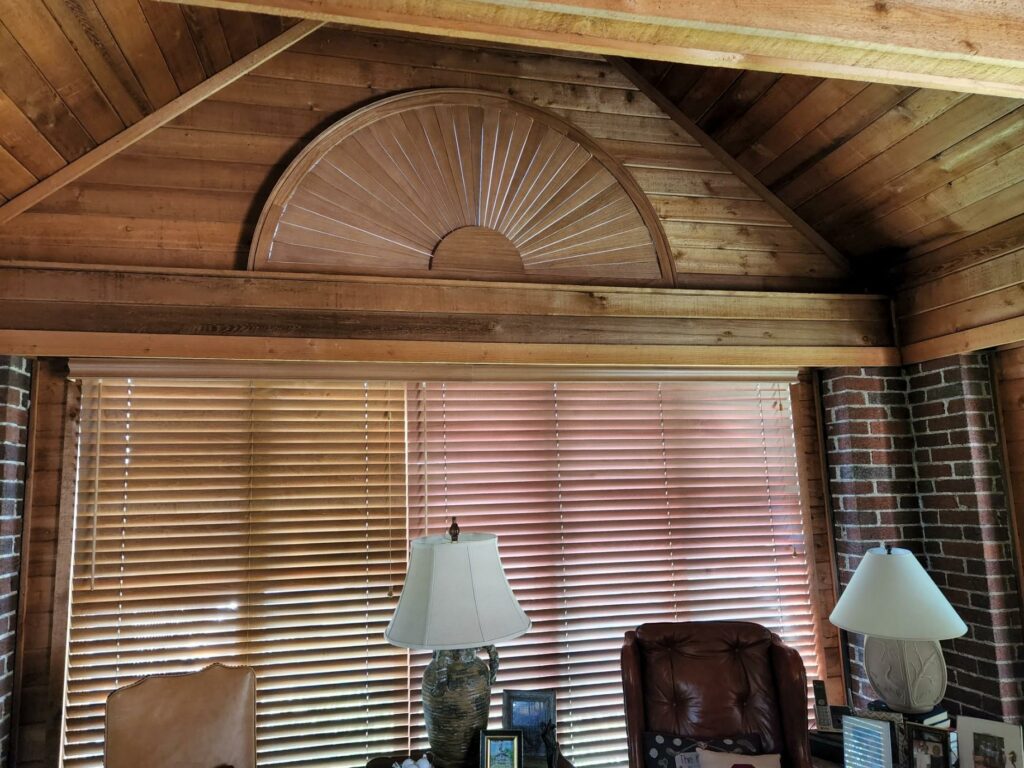
For a permanent, architectural solution, look at the interior shutter. Shutters add value to a home because they attach to the window frame and become a fixture rather than just a covering.
Shutters offer excellent versatility since you can swing the panels open to expose the entire window or keep the panels closed and tilt the louvers. Tilting the louvers directs light up or down, so you can keep the sun off your monitor while letting light illuminate the rest of the room.
Wood and faux wood are common materials. Faux wood resists moisture and warping, while real wood offers a classic finish. Both are durable, and a shutter creates a solid barrier against the outside world when fully closed. This creates a sense of separation from the outdoors that helps some people buckle down and work.
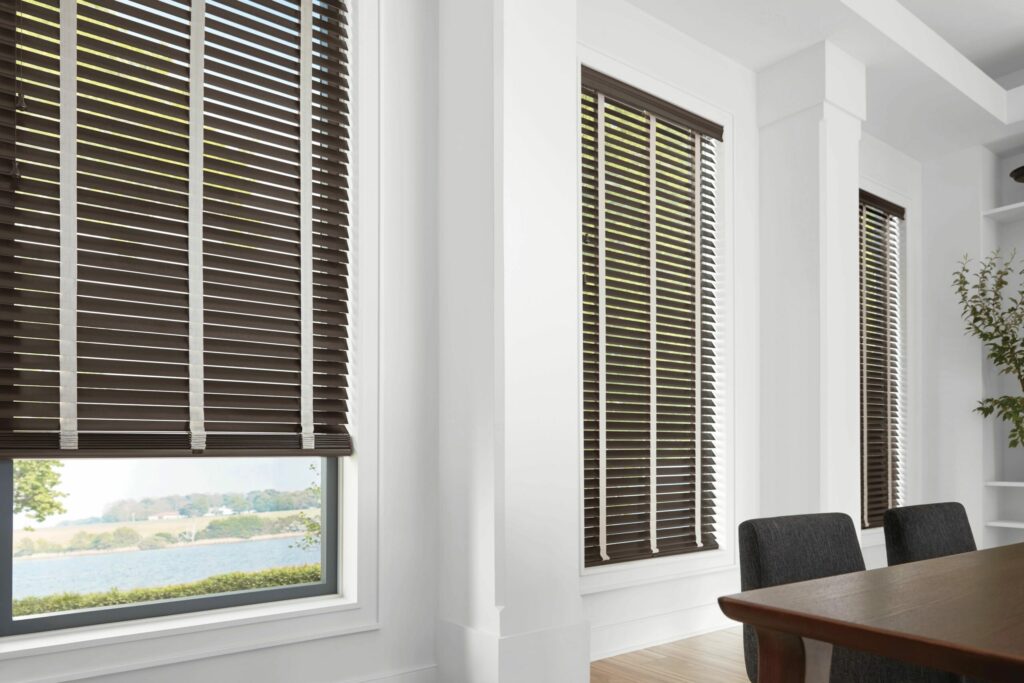
Wood and Faux Wood Blinds
Blinds with horizontal slats remain a popular choice as they function like shutters but cost less. You raise and lower them with cords or a cordless lift system, and you tilt the slats to manage light.
Faux wood blinds withstand humidity well, whereas real wood blinds weigh less to make lifting easier on large windows. The slats cast distinct shadow lines, which some people enjoy, but others find the stripes of light distracting on a desk surface. Consider how the light will fall across your workstation before choosing this option.
Solving Specific Office Problems
Every home is different, and your workspace might face unique challenges that require specific features.
The “Fishbowl” Effect
Ground-floor offices often face a busy street or a neighbor’s driveway, so passersby can see you working. This feels intrusive, but you might hesitate to keep the blinds closed all day because you lose the sun.
Top-down/bottom-up functionality solves this issue. Available on cellular shades and some Roman shades, this feature allows you to lower the shade from the top or raise it from the bottom. You can lower the top half to let in light while keeping the bottom half closed to block the view from the street. You gain privacy without sacrificing sunshine.
Video Call Backgrounds
Remote work often involves video conferencing, and your background says something about you. Window treatments contribute to your office decor since a messy window with broken blinds looks unprofessional, while a clean, fitted shade looks polished.
Consider the color, as neutral tones like grey, beige, or white blend into the background and look professional. Bold patterns might distract people on the call. If your window appears behind you on camera, ensure the treatment blocks enough light. A bright window behind you creates a silhouette effect that makes your face dark and unreadable to the camera.
Hard-to-Reach Windows
Some offices have skylights or tall windows where reaching cords breaks your workflow. Motorization is the answer here.
Motorized shades allow you to adjust the window treatments with a remote, a wall switch, or a smartphone app. You can program them to lower at specific times of the day. For example, if the sun hits your desk at 2:00 PM, you can schedule the shades to lower at 1:55 PM. You maintain your focus without stopping to adjust the blinds by hand.
Related Article: 9 Best Apartment Blinds
Making the Final Decision
Your home office requires a balance of comfort and utility since the wrong choice leads to daily annoyance. The right choice disappears into the background and supports your work.
Start by observing the light in your room for a full day to note when the glare hits your desk and when the room feels hot or cold. Next, define your budget because roller shades often cost less than custom shutters. However, shutters last longer and might offer better long-term value.
Finally, consider the installation. Custom blinds require precise measurement, and a professional fit ensures the best insulation and light control. Gaps on the side of a shade let in streaks of light that can ruin the effect.
Your office is where you produce your best work, so treat the windows as an essential tool in your kit. With the right light control, privacy, and style, you create an environment that fosters success.
If you’re looking for the right home office window treatment, contact The Blind Factory today to explore our inventory.