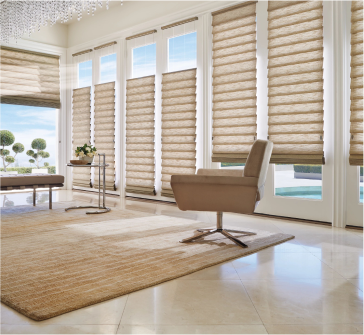
Window shades can totally change the look and feel of a room. Whether you’re looking to get better control over the sunlight, boost your privacy, or just update your home’s style, a great upgrade starts with knowing all your choices.
This complete guide to window shades covers the most popular styles and offers maintenance tips to help you pick the perfect fit.
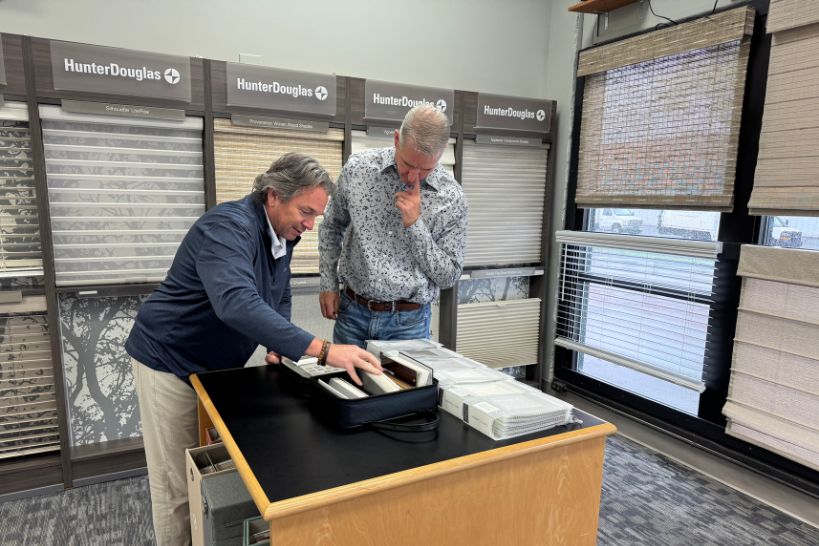
What are the different Types of Shades?
When it comes to window coverings, shades offer incredible versatility. Unlike blinds with their individual slats, shades use continuous materials that create clean, streamlined aesthetics while delivering exceptional functionality. Here’s a closer look at the most popular options available today.
Cellular Shades
Also known as honeycomb shades, cellular shades feature a unique hexagonal cell structure that traps air for superior insulation. These energy-efficient shades help regulate indoor temperatures year-round, potentially lowering your utility bills while keeping your home comfortable.
Available in single-, double-, or triple-cell constructions, they offer varying levels of insulation to match your climate needs.
Roller Shades
Simple, sleek, and endlessly customizable, roller shades remain a favorite for modern homes. They operate on a straightforward roll-up mechanism and come in countless fabrics, colors, and opacity levels.
From blackout options for bedrooms to light-filtering choices for kitchens, roller shades adapt to virtually any need. Their minimalist profile makes them particularly appealing for contemporary design schemes.
Roman Shades
For those seeking elegance, Roman shades deliver timeless sophistication. These fabric shades fold into beautiful horizontal pleats when raised, creating a soft, layered look that adds texture and warmth to any space.
Available in flat, hobbled, and balloon styles, roman shades work beautifully in traditional, transitional, and even modern interiors.
Natural Woven Shades
Crafted from organic materials like bamboo, jute, and grasses, natural woven shades bring earthy texture and warmth into your home. They’re perfect for creating a relaxed, coastal, or bohemian aesthetic. Because natural materials allow some light to filter through, many homeowners pair these shades with privacy liners for bedrooms and bathrooms.
Sheer Shades
Combining the softness of fabric with the functionality of blinds, sheer shades offer gentle light diffusion while maintaining privacy during daylight hours. Their floating fabric vanes suspended between sheer panels create a stunning visual effect that softens harsh sunlight beautifully.
Vertical Shades
Ideal for sliding glass doors and wide windows, vertical shades feature vanes that hang from a top track and can be drawn to either side for easy access. They provide excellent light control for large openings and come in fabric, vinyl, and textured options.
Transitional Shades
These innovative shades feature alternating bands of sheer and solid fabric, allowing you to shift between privacy and light control with a simple adjustment. By aligning the solid bands, you achieve privacy; align the sheer bands, and soft light floods your room.
Solar Shades
Designed specifically to block UV rays while preserving your view, solar shades protect furniture from sun damage and reduce glare on screens. They’re particularly popular in sunrooms, offices, and any space with large windows facing direct sunlight.
The openness factor, ranging from 1% to 14%, determines how much light passes through and how much visibility you maintain.
Related Article: Roman Shades vs. Roller Shades—How to Choose
Use Cases by Room
Different rooms have different needs when it comes to window coverings. Understanding how you use each space helps determine which shade type will serve you best.
Living Room
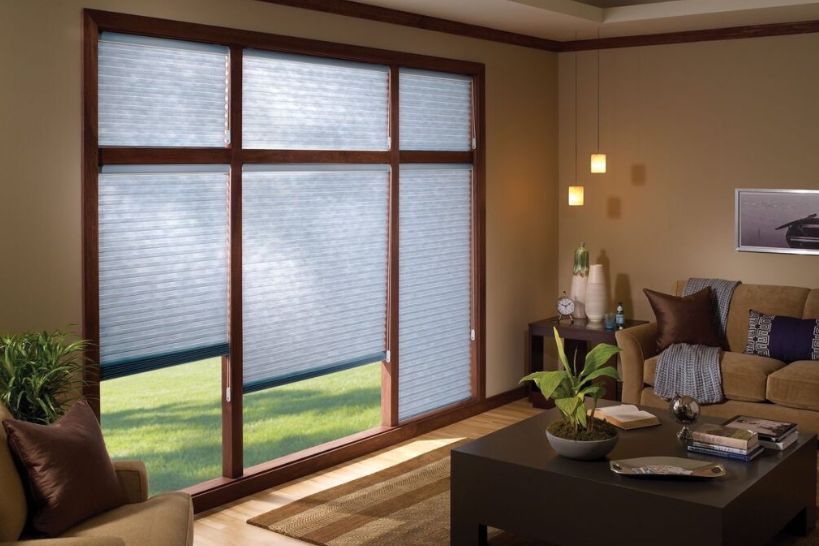
Your living room serves as the heart of your home, a space for relaxation, entertaining, and family gatherings. Roman shades add elegance and sophistication while filtering natural light for comfortable TV viewing and conversation.
For living rooms with large windows, consider layering sheer shades with draperies and top treatments to create visual depth and versatile light control options throughout the day.
Bedroom
Quality sleep depends heavily on controlling light exposure. Cellular shades with blackout linings create the dark environment necessary for restful sleep while providing excellent insulation against outdoor temperatures and noise.
For master bedrooms, consider motorized options that allow you to adjust your shades without leaving the comfort of your bed.
Home Office
Productivity thrives in properly lit spaces. Solar shades reduce screen glare without sacrificing your connection to the outdoors, helping you stay focused during long work sessions. They also protect your computer equipment and office furniture from fading caused by UV rays. Roller shades in light-filtering fabrics offer another excellent option for maintaining comfortable brightness levels.
Kitchen
Kitchens require window shades that handle moisture, cooking splatters, and frequent cleaning. Roller shades in moisture-resistant fabrics wipe clean easily and withstand the humidity that comes with cooking and dishwashing. Their streamlined design also keeps them safely away from stovetops and countertops.
Bathroom
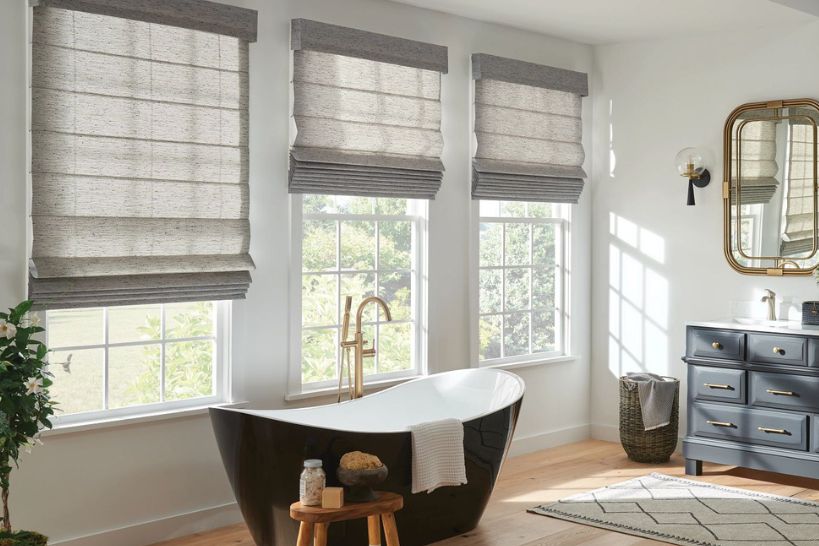
Privacy takes top priority in bathrooms, but moisture resistance matters equally.
This is where cellular shades excel.
Cellular shades designed for high-humidity environments maintain their shape and function despite daily steam exposure. Top-down, bottom-up options let you preserve privacy at eye level while allowing natural light to enter from above.
Nursery and Children’s Rooms
Safety and light control guide shade selection for children’s spaces. Cordless blinds eliminate strangulation hazards while providing the blackout capabilities essential for nap times and early bedtimes. Cellular shades in playful colors or patterns add personality while keeping little ones safe.
Related Article: 10 Reasons to Choose Custom Window Treatments
Understanding Light Control Levels
Window shade opacity is key to controlling light, function, and feel.
Blackout shades block nearly 100% of light, ideal for bedrooms, nurseries, and media rooms, ensuring maximum darkness.
Room darkening options significantly reduce light, allowing a minimal glow; they suit bedrooms needing substantial but not total darkness, or living areas needing glare reduction.
Light filtering shades soften and diffuse light for a warm ambiance and privacy without full darkness, often chosen for common areas.
Sheer shades gently filter light, maintain brightness, and offer daytime privacy by blurring outside views while allowing you to enjoy your surroundings.
Privacy Levels Explained
Choose the right window shades to balance privacy, style, and light throughout your home.
Street-facing and ground-floor windows need high-opacity shades (cellular or dense roller shades) for full privacy, day or night. Upper-floor rooms typically need less privacy, often sufficing with light-filtering shades.
Privacy needs change throughout the day. Sheer shades offer daytime privacy, but night lighting makes them transparent; layering them with room-darkening shades provides 24/7 control.
Bathrooms and bedrooms always require the highest privacy levels, regardless of location, with shades that minimize light gaps.
Materials Matter
The fabric or material you choose impacts durability, appearance, functionality, and maintenance requirements for years to come.
- Polyester blends resist moisture, clean easily, and maintain their shape through years of daily use. They’re excellent choices for kitchens, bathrooms, and high-traffic areas.
- Natural fibers like cotton, linen, and silk add organic beauty and texture but may require more careful maintenance and show wear more readily in high-humidity environments.
- Woven woods and bamboo create stunning visual texture while providing moderate light filtering. Many natural woven shades benefit from privacy liners for bedrooms and bathrooms.
- Specialty solar fabrics incorporate UV-blocking technology while remaining thin enough to preserve outdoor views. The tighter the weave, the more UV protection you receive.
- PVC and vinyl materials offer maximum moisture resistance and easy cleaning, making them ideal for bathrooms, kitchens, and covered outdoor spaces.
Maintenance Tips for Long-Lasting Shades
Proper care extends the life of your window shades significantly and keeps them looking beautiful year after year.
Regular Dusting
Dust buildup can permanently stain or damage fabrics over time if left unaddressed. Use a soft cloth, feather duster, or vacuum attachment on low suction weekly or biweekly, depending on your environment. Start from the top and work downward to prevent redistributing dust onto cleaned areas. For cellular shades, use a hairdryer on a cool setting to blow dust from the honeycomb cells.
Spot Cleaning
Address spills and marks promptly using a damp cloth with mild soap. Always test your cleaning solution in an inconspicuous area first to ensure it won’t damage the fabric or leave water marks. Blot rather than rub to prevent spreading stains or damaging fibers. Allow shades to dry completely in the lowered position before raising them.
Avoiding Harsh Chemicals
Stay away from bleach, ammonia, and abrasive cleaners that can damage fabrics, fade colors, or deteriorate coatings designed for UV protection or moisture resistance. Even seemingly gentle household cleaners may contain ingredients that harm delicate shade materials. When in doubt, stick with plain water and mild dish soap.
Proper Operation
To make sure your shades can go for the long haul, proper operation is key to preventing mechanical wear.
- For all shades: Fully raise and lower them; avoid leaving them partially extended for prolonged periods.
- For corded shades: Pull cords straight down. Pulling at an angle will strain the internal mechanism.
- For motorized shades: Let the motor complete its cycle; do not interrupt it mid-operation.
Deep Cleaning
For thorough cleaning needs, consult your shade manufacturer’s specific recommendations. Some fabrics tolerate ultrasonic cleaning while others require professional dry cleaning. Natural woven shades typically need only vacuuming and occasional spot treatment.
When in doubt, contact the professionals who manufactured your window coverings for guidance tailored to your specific materials.
Related Article: How to Clean Your Blinds: A Guide to Properly Caring for Window Treatments

Ready to Find Your Perfect Window Shades?
The windows in your home do more than let in light; they frame your view of the world and shape how each room feels. The right shades transform these everyday openings into design features that manage natural light, protect your privacy, and boost your home’s energy efficiency all at once.
Now that you understand the differences between cellular shades, roller shades, roman shades, and other popular options, you’re equipped to make choices that truly fit your lifestyle. Quality window coverings are an investment that pays dividends for years, protecting your furniture from UV rays while adding lasting value to your home.
Contact us today for a free consultation and discover how custom window shades can transform your space.
Frequently Asked Questions
How many types of shades are there?
There are several popular types of window shades, including cellular shades, roller shades, roman shades, solar shades, sheer shades, natural woven shades, vertical shades, and transitional shades.
What are the names of different types of blinds?
Common blind types include horizontal blinds, vertical blinds, cordless blinds, motorized blinds, and plantation shutters.
What are fabric shades called?
Fabric shades are typically referred to as roman shades, roller shades, sheer shades, or natural woven shades, depending on their design and material.